


Is food grade lightweight pulp molding with multi shape resistant to bacteria?
Jun 09, 2026
Leave a message

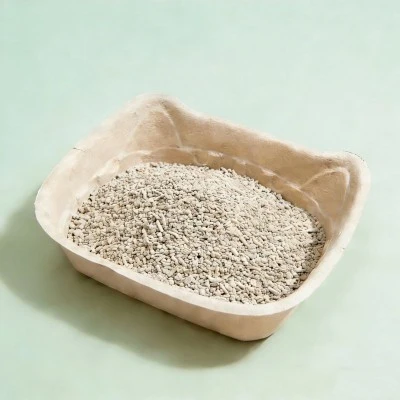
When many customers come to us to purchase food-grade lightweight multi-shaped pulp molding products, apart from paying attention to the load-bearing capacity and shape, the question they ask most frequently is: "This is made of paper, can it really be antibacterial? Will it get moldy?"
Indeed, people generally believe that plastic is cleaner, while paper products are prone to getting damp. Today, based on our production experience, I will shed light on these technical terms and have a heartfelt conversation with you about whether this material can effectively prevent bacteria.
First, don't be confused by these long and complicated terms.
The so-called "food-grade lightweight multi-shaped paperboard molding" may sound fancy and sophisticated. In essence, it is packaging made from environmentally friendly paper pulp, pressed into various shapes through molds.
- Various shapes: Whether you are using it to hold fruits, place cakes, or create trays, it can shape anything.
- Lightweighting: It saves shipping costs, which is something everyone understands. It also has low carbon emissions.
But the most crucial aspect is that it is food-grade. This means it has to pass through multiple tests and hurdles starting from the raw materials to ensure it can come into direct contact with food.
II. It's Hard for Bacteria to "Settle Down" on the Paper Tray
Many people are concerned that the pulp is prone to bacterial growth. However, from a scientific perspective, the paper tray actually has some "bacterial prevention genes" built-in:
- The "baptism" of high-pressure baking:
You may not be aware that during the production process of paperboard molding, it undergoes high-temperature baking and high-pressure shaping. This process is akin to a large-scale high-temperature sterilization. Most of the bacteria remaining in the raw materials are directly "eliminated" at this stage.
- The environment that makes bacteria "thirsty":
Bacteria thrive best in a humid environment. The pulp fibers themselves dry out very quickly. As long as they are not submerged in water, this relatively dry environment is like a "desert" for bacteria. It is extremely difficult for them to reproduce in large quantities here.
- Special "defense line":
The current technology allows for the addition of an appropriate amount of food-grade antibacterial agents to the pulp, or for the surface to be treated to be smooth. The smoother the surface, the more difficult it is for bacteria to "clump together" and stick to it.
III. Let's be honest: Is it really better than plastic?
Those who have conducted experiments know that although plastic may seem clean on the surface, it has a fatal flaw - it is prone to generating condensation water.
Once water droplets form, bacteria start to revel in the environment. In contrast, paper trays have certain breathability and moisture absorption properties, which can keep the surface of the food relatively dry.
However, I also have to tell you something in all honesty:
No material is 100% resistant to bacteria. If the environment is damp and stuffy, or if it's not stored properly, even the best paper trays won't be able to save the day. So, having good materials is one thing, but you also need to maintain the right storage conditions on a daily basis.
IV. Why choose this "breathing" antibacterial packaging?
- Safety: It reduces the risk of cross-infection by bacteria, and naturally extends the shelf life. This is a real benefit for those engaged in fresh produce and baking.
- Consumers have sharp eyes: Nowadays, everyone is pursuing environmental protection and health. With a set of paper trays that can decompose and are both clean and hygienic, the customers will feel a difference when holding them in their hands.
Overall, food-grade multi-shaped paperboard molding is not just an environmentally friendly "decorative element", but it is also truly effective in terms of antibacterial and moisture-proofing. Through physical high-temperature and high-pressure processes as well as chemical food-grade additives, it provides food with a reliable "protective suit".
If you are struggling to find a packaging solution for your product that is both antibacterial and lightweight and environmentally friendly, or if you are still unsure about how to customize the shape, please feel free to come and chat with me at any time. We won't talk nonsense. Let's just look at the samples and talk directly. Together, we'll solve your packaging problems!
Send Inquiry